



In modern working environments, office cafes have evolved into adaptable spaces that provide more than traditional breakout spaces, fostering both work and relaxation. While breakout spaces are traditionally designed for short periods, offering facilities such as coffee machines and tables, office cafe s consciously set out to foster productivity, creativity and social interaction.
“The Work Cafe takes inspiration from street cafe s and so-called third places and offers far more than just a space in a work context,” explains Ernst Holzapfel, Head of Marketing at Sedus Stoll AG. “When implemented correctly, it becomes a ductile place that adapts seamlessly to various work situations and needs. Users are free to decide whether they want to work informally on their own, come together in teams, communicate, network or simply relax over a good cup of coffee. In addition, the Work Cafe becomes an expression of the corporate culture and values. The approach developed by Sedus with the four archetypes – library, garden, club and hub – offers clear orientation and inspiration for successful implementation. After all, according to an M. Moser Study from 2023, 85% of people cite collaboration, socialising, and events as the primary reasons for coming to the office. This shows how crucial it is to design working environments that cater to these needs.”
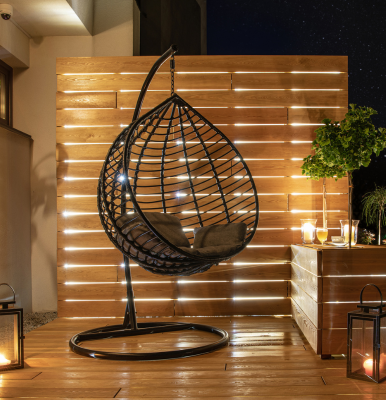
Garden – A natural retreat for relaxation and creativity
The Hub is the social centrepiece of the Work Café – dynamic, open and full of energy, ideal for spontaneous encounters and teamwork.
- Atmosphere: Lively, unconventional and communicative – inspired by co-working spaces and urban meeting places.
- Work settings: Central counter, flexible seating options such as high tables, sofas and communal work areas.
- Use: For quick interactions, team meetings or casual networking – perfect for collaboration and exchange.
In modern working environments, office cafes have evolved into adaptable spaces that provide more than traditional breakout spaces, fostering both work and relaxation. While breakout spaces are traditionally designed for short periods, offering facilities such as coffee machines and tables, office cafe s consciously set out to foster productivity, creativity and social interaction.
“The Work Cafe takes inspiration from street cafe s and so-called third places and offers far more than just a space in a work context,” explains Ernst Holzapfel, Head of Marketing at Sedus Stoll AG. “When implemented correctly, it becomes a ductile place that adapts seamlessly to various work situations and needs. Users are free to decide whether they want to work informally on their own, come together in teams, communicate, network or simply relax over a good cup of coffee. In addition, the Work Cafe becomes an expression of the corporate culture and values. The approach developed by Sedus with the four archetypes – library, garden, club and hub – offers clear orientation and inspiration for successful implementation. After all, according to an M. Moser Study from 2023, 85% of people cite collaboration, socialising, and events as the primary reasons for coming to the office. This shows how crucial it is to design working environments that cater to these needs.”
Garden – A natural retreat for relaxation and creativity
The Hub is the social centrepiece of the Work Café – dynamic, open and full of energy, ideal for spontaneous encounters and teamwork.
- Atmosphere: Lively, unconventional and communicative – inspired by co-working spaces and urban meeting places.
- Work settings: Central counter, flexible seating options such as high tables, sofas and communal work areas.
- Use: For quick interactions, team meetings or casual networking – perfect for collaboration and exchange.
In modern working environments, office cafes have evolved into adaptable spaces that provide more than traditional breakout spaces, fostering both work and relaxation. While breakout spaces are traditionally designed for short periods, offering facilities such as coffee machines and tables, office cafe s consciously set out to foster productivity, creativity and social interaction.
“The Work Cafe takes inspiration from street cafe s and so-called third places and offers far more than just a space in a work context,” explains Ernst Holzapfel, Head of Marketing at Sedus Stoll AG. “When implemented correctly, it becomes a ductile place that adapts seamlessly to various work situations and needs. Users are free to decide whether they want to work informally on their own, come together in teams, communicate, network or simply relax over a good cup of coffee. In addition, the Work Cafe becomes an expression of the corporate culture and values. The approach developed by Sedus with the four archetypes – library, garden, club and hub – offers clear orientation and inspiration for successful implementation. After all, according to an M. Moser Study from 2023, 85% of people cite collaboration, socialising, and events as the primary reasons for coming to the office. This shows how crucial it is to design working environments that cater to these needs.”
Garden – A natural retreat for relaxation and creativity
The Hub is the social centrepiece of the Work Café – dynamic, open and full of energy, ideal for spontaneous encounters and teamwork.
- Atmosphere: Lively, unconventional and communicative – inspired by co-working spaces and urban meeting places.
- Work settings: Central counter, flexible seating options such as high tables, sofas and communal work areas.
- Use: For quick interactions, team meetings or casual networking – perfect for collaboration and exchange.
In modern working environments, office cafes have evolved into adaptable spaces that provide more than traditional breakout spaces, fostering both work and relaxation. While breakout spaces are traditionally designed for short periods, offering facilities such as coffee machines and tables, office cafe s consciously set out to foster productivity, creativity and social interaction.
“The Work Cafe takes inspiration from street cafe s and so-called third places and offers far more than just a space in a work context,” explains Ernst Holzapfel, Head of Marketing at Sedus Stoll AG. “When implemented correctly, it becomes a ductile place that adapts seamlessly to various work situations and needs. Users are free to decide whether they want to work informally on their own, come together in teams, communicate, network or simply relax over a good cup of coffee. In addition, the Work Cafe becomes an expression of the corporate culture and values. The approach developed by Sedus with the four archetypes – library, garden, club and hub – offers clear orientation and inspiration for successful implementation. After all, according to an M. Moser Study from 2023, 85% of people cite collaboration, socialising, and events as the primary reasons for coming to the office. This shows how crucial it is to design working environments that cater to these needs.”


