1. The Social Club is more than a café. At what point did you realise the project needed to be something entirely different?
The turning point came when I realised that designing another beautiful café simply wasn’t enough. As an interior design studio founder, we spend our lives creating spaces for people, but I wanted to understand what it truly means to operate one. The Social Club became my second entrepreneurial venture after mustard&linen. It was an opportunity to step beyond design consultancy and become both the designer and the operator. That shift changed everything. Instead of asking, “How should this space look?” we started asking, “How should this space make people feel, connect and come back to us?”
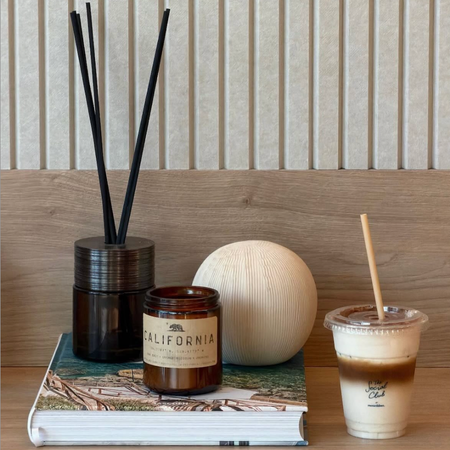
The idea started very organically. The Social Club was born from that simple idea: transforming our everyday pantry into a welcoming destination where design, art, wellness, culture and genuine human connection could happen over a great cup of coffee. Originally it was where our team gathered for coffee, informal meetings and creative conversations throughout the day. Over time, we realised that what was happening inside those walls had real value. It wasn’t just about the coffee; it was about people connecting.
2. The project combines creativity, hospitality and community. How did those three elements influence the layout and flow of the space?
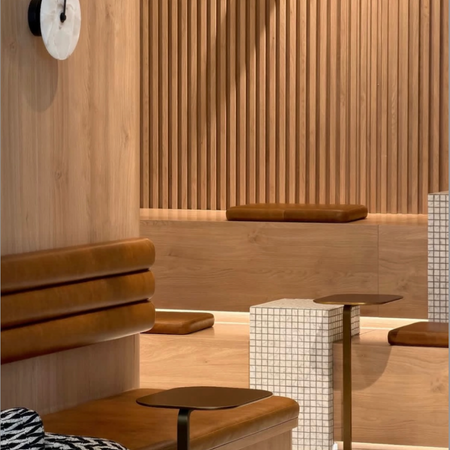
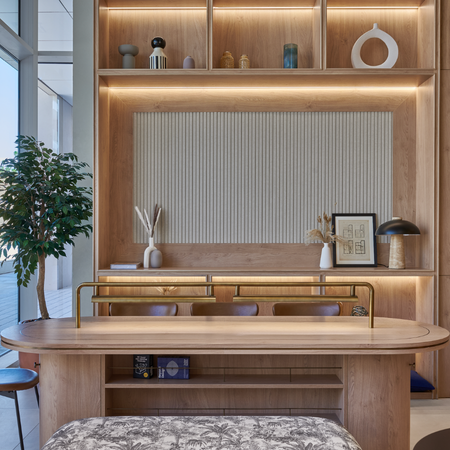
We designed multiple ways for people to inhabit the space. Some areas encourage focused work, others invite spontaneous conversations, while communal tables naturally bring neighbours together. Hospitality influenced every touchpoint. From the moment someone walks in, they should feel welcomed rather than intimidated. Creativity appears through the details, while community is created through the spaces between them.
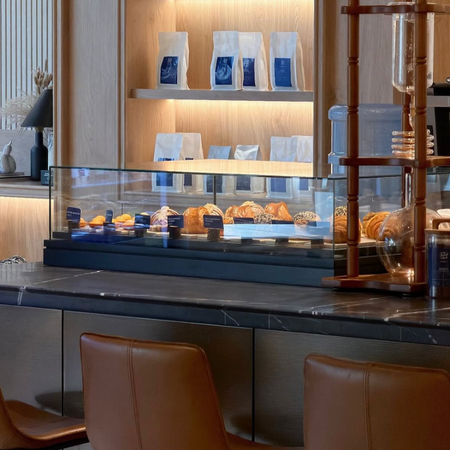
We deliberately designed moments of discovery: from the retail corner, to the library, the step seating, the communal working tables and the coffee bar, they each become destinations within the journey, encouraging people to explore the space rather than simply pass through it. One of the decisions we felt most strongly about was inviting guests to experience the coffee bar itself. Rather than hiding the preparation behind a counter, we wanted coffee-making to become part of the experience and for visitors to feel as though they were stepping into a welcoming living room, rather than simply ordering a drink. We knew this was slightly unconventional for our region, where cafés often have a clearer separation between guests and operations. It challenged familiar habits, but we believed the experience would feel warmer, more personal and more engaging.
3. If visitors could leave noticing just one thing about the design, what would you want it to be?
I would hope they leave remembering how the space made them feel rather than what it looked like.
4. Looking back, was there a design decision that felt risky at the time but ultimately became one of the project’s greatest strengths?
The biggest risk was never treating the project like a commercial café. From the beginning, we prioritised experience over maximising seating capacity or increasing table turnover. On paper, that can seem counterintuitive. But I believed that if people genuinely connected with the space, they would stay longer, return more often and bring others with them. That philosophy has proven itself. The community has become our greatest asset.
5. Today, when you see people using The Social Club as intended, what moment or interaction best tells you the design has succeeded?
It’s the moments we never planned. Watching two neighbours begin talking because they happened to share a communal table. Seeing a TikToker taking pictures of the finest details, observing a regular client reading a book with a coffee. Those spontaneous interactions are impossible to manufacture, yet they happen almost every day. That’s when you realise you’ve designed more than a physical environment, and you’ve actually created a social ecosystem.
The biggest confirmation isn’t the design awards, the media attention or even the business performance. It’s seeing people refer to The Social Club as their place. When guests say, “I’ll meet you at The Social Club,” or choose to spend hours there without feeling rushed, it tells me we’ve become part of their routine and their community. For me, that’s what successful design should do. It shouldn’t simply impress people; it should naturally improve the way they live, connect and experience everyday life. Ultimately, The Social Club is an extension of mustard&linen’s philosophy. For over a decade, we’ve designed spaces that shape how people work, live and connect. This time, we chose to build one ourselves, operate it ourselves, and learn from it every single day. That experience is making us better shapers, better entrepreneurs and stronger storytellers.
Read it. Loved it. Now what?
More ideas, naturally. Explore more insights from INDEX, or discover the latest thinking shaping hospitality and workplace design from The Hotel Show and WORKSPACE. Better yet, experience all three industries under one roof at Dubai World Trade Centre, 1–3 June 2027. One registration. Three shows. Zero difficult decisions.