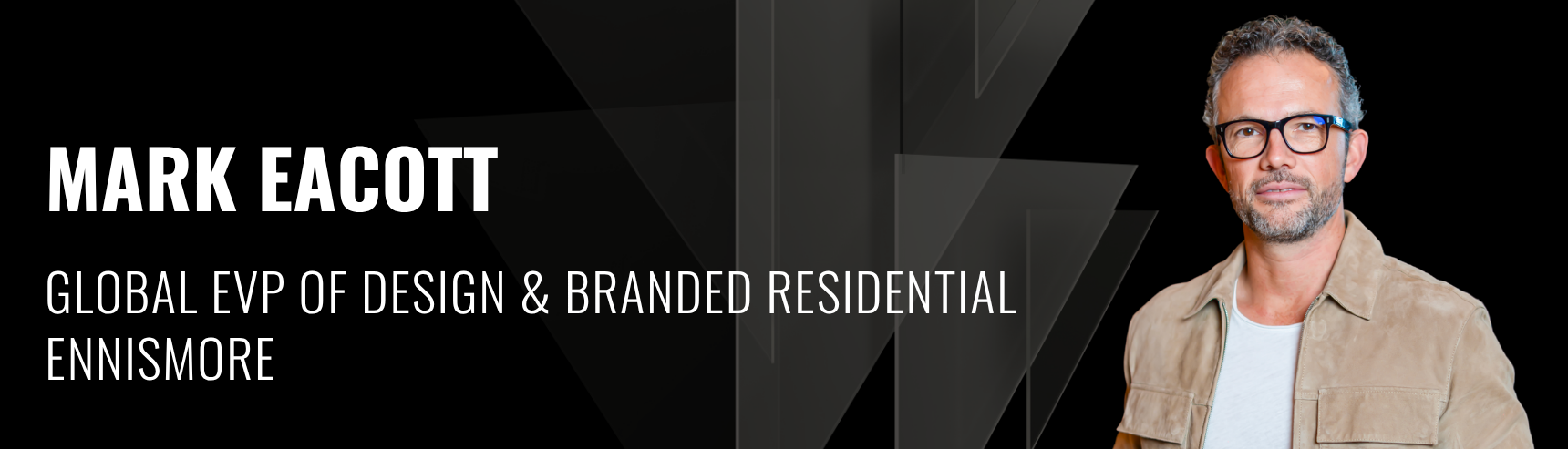
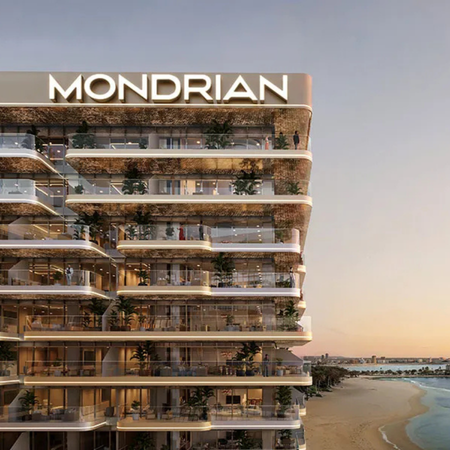
1. Branded residences have moved well beyond name association. What do you think is fundamentally driving their rise right now?
Owners are now buying into how they want to live. It’s no longer just about square metres or the logo on the building. They’re investing in a brand they trust to consistently deliver an experience and those buyers are considering identity, community and experiences that fit seamlessly into their everyday life. People want to know what that brand stands for, how it makes them feel, and whether it reflects their own values and aspirations. For us, the brand promise has to go beyond design. It’s about creating places people genuinely want to live in and a lifestyle they want to be a part of, supported by thoughtful service, meaningful programming and a community that continues to evolve long after they get their keys.
2. What are some unique amenities that are becoming increasingly important in branded residential developments?
We’re moving beyond traditional gyms and spas towards integrating wellness within the home itself. Buyers increasingly expect their homes to actively support their wellbeing, not just through dedicated amenity spaces, but through the environments they live in every day. AI technologies are helping create healthier homes through intelligent air filtration, water purification, adaptive lighting, noise reduction and smart systems that support better sleep, comfort and overall wellbeing. Wellness will become effortless rather than prescribed as it’s embedded into the way people live every day.
3. In competitive markets like Dubai or Miami, what gives a branded living project a real edge over another?
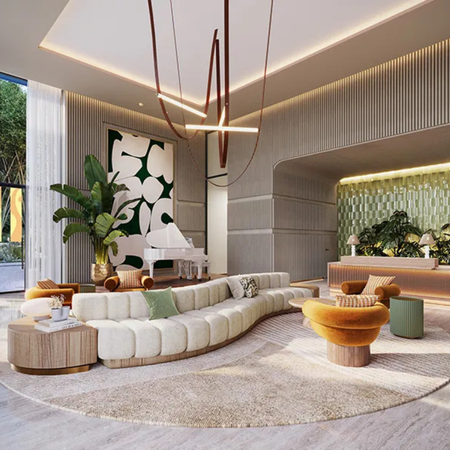
One mistake the industry often makes is simply replicating what works in a hotel. How you stay somewhere for three nights isn’t necessarily how you want to live every day. Rather than reproducing hotel environments, we create residential interpretations of our brands that preserve their recognisable identity, service philosophy and design language while adapting them to everyday life. The public spaces embrace the full personality of the brand, while the residences themselves are intentionally more restrained, allowing owners to bring their own personality into the space.
It’s also no longer about having the longest list of amenities or the biggest gym. The key is curating the right amenities for the brand, the location and the people who will actually live there.
Ultimately, a commitment to quality and consistency is the real edge. That’s reflected in the design, the materials, the craftsmanship, the service and, most importantly, delivering exactly what was promised.
4. How are smart-home technologies shaping the future of branded living?
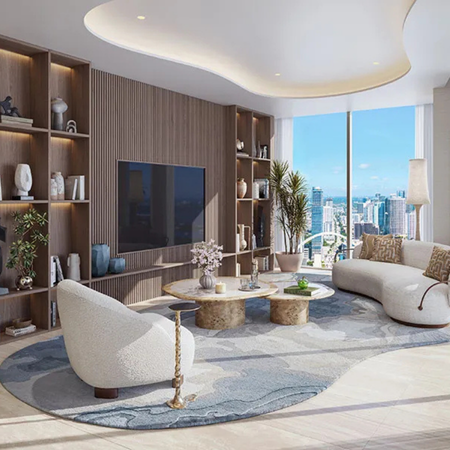
Many branded residence owners now have homes in multiple cities, so technology is helping those properties function as a connected network rather than individual residences. The expectation is no longer just being able to control lighting or air conditioning remotely. Residents want their home prepared before they arrive, maintenance managed while they’re away and a seamless relationship between the residence, the operator and the services available to them.
5. What are the most overlooked elements that contribute to long-term resident satisfaction in branded living projects?
Definitely community. We spend a lot of time designing beautiful spaces, but it’s what happens inside them that determines whether people genuinely enjoy living there. Every property has a Director of Residences who curates regular events. Sometimes it’s a screening night, sometimes drinks on the terrace or a wellness session. Those moments create relationships between neighbours and foster a genuine sense of belonging.
We also work closely with our residential teams to understand how people actually use the building once it’s open. Those insights are invaluable. They inform future projects, whether that’s refining layouts, rethinking amenity spaces or responding to the way residents’ routines naturally evolve over time.
6. What do you believe will define the next generation of branded living projects?
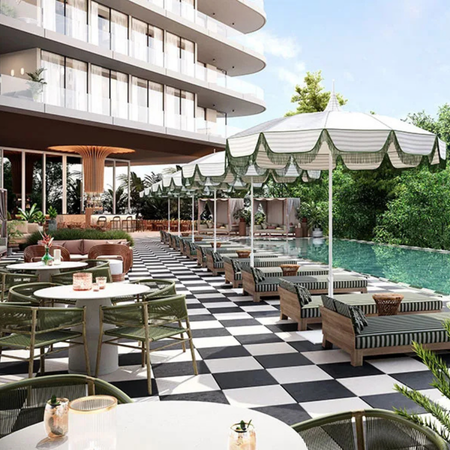
I think we’re moving towards branded ecosystems rather than standalone hotels or residential developments. Home, work, wellness and F&B are becoming increasingly interconnected.
We’ve already explored what it means to translate our hotel brands into residential living. The next evolution is branded offices, allowing people to experience a brand across different parts of their daily lives rather than just when they’re travelling or at home.
We’re also rethinking how F&B fits within branded residential developments. It’s no longer just about having a restaurant in the building, but creating concepts that support everyday routines, from curated pantries and prepared meals to neighbourhood-focused venues that become part of residents’ daily lives.
7. Has branded living evolved from a luxury product into a lifestyle proposition?
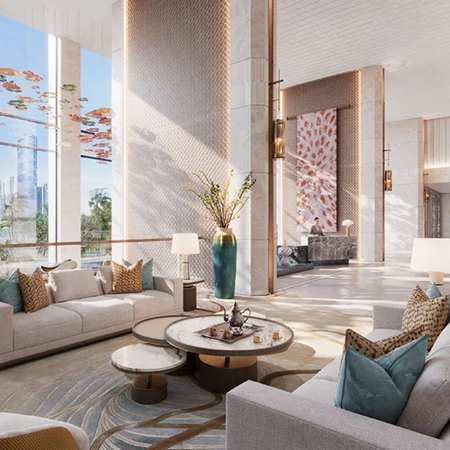
Absolutely, that’s why we’re here. Luxury hasn’t disappeared, but the definition of it has changed. Traditional luxury was often centred on prestige, impeccable service and beautiful finishes. Those things still matter, but they’re no longer enough on their own. People are looking for places that reflect how they want to live, with a stronger connection to culture, design, food, wellness and community.
That’s where lifestyle brands have found their place. Rather than simply offering a luxury product, we offer a way of living. Every touchpoint, from the design and service to the programming and F&B, works together to create an experience that feels authentic and relevant. People aren’t just buying a residence anymore – they’re buying into a lifestyle they want to be part of.
Read it. Loved it. Now what?
More ideas, naturally. Explore more insights from INDEX, or discover the latest thinking shaping hospitality and workplace design from The Hotel Show and WORKSPACE. Better yet, experience all three industries under one roof at Dubai World Trade Centre, 1–3 June 2027. One registration. Three shows. Zero difficult decisions.